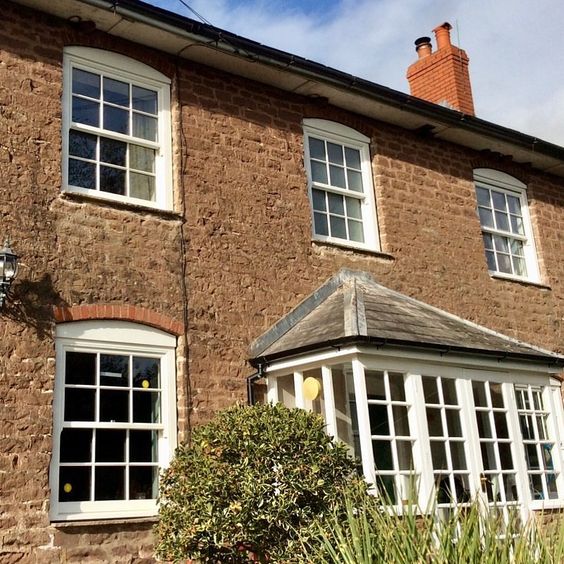
Timber windows have been found in the United Kingdom since Tudor times, with these wooden frames having a reputation for beauty, tradition and excellent thermal performance.
The fact that they have remained a popular option for upwards of 400 years is a testament to their quality, though the material has been adapted by manufacturers in that time to become more durable and long-lasting.
In fact, the timber used for window frames has changed fairly dramatically in the past decade or so. These alterations have been necessary, as in the past timber has famously been susceptible to changing shape, falling victim to insect damage and peeling, but with the modern frames we install, these are issues you will not need to worry about.
Although that’s not to say that a spot of maintenance from time to time is a bad idea, we recommend a light bit of TLC for any window material, be it timber or uPVC/aluminium for example.
With that in mind, we’ve put together a detailed guide that we hope helps you keep your timber windows looking and performing at their best level for decades to come, with the aim of lowering your bills, increasing your property value, and improving its appearance.
Timber window maintenance: our recommendations
Good timber window maintenance isn’t about spending every weekend with a paintbrush. It’s about knowing what to look for, catching small problems before they become expensive ones, and doing a handful of simple tasks at the right time of year.
Seasonal inspections
We recommend inspecting your timber frames twice a year, once in spring after the worst of the wet weather, and again in early autumn before temperatures drop. Use the checklist below as your guide:
| Inspection item | What to look for | Action if found |
| Paint and finish | Cracking, peeling or bubbling | Sand back and repaint promptly |
| Frame and sill | Soft spots, dark patches or sponginess | Test with a screwdriver tip, softness indicates rot |
| Glazing seals | Cracking, shrinkage or visible gaps | Re-seal with flexible silicone or glazing sealant |
| Draught gaps | Cold air ingress around a closed frame | Apply brush seal or weatherstrip |
| Glazing unit | Condensation between panes | Sealed unit has failed, replacement required |
| Hardware | Stiff hinges or corroded fittings | Oil or replace as needed |
Repainting timber windows
Traditional hardwood frames generally need repainting every five to seven years.
Modern engineered timbers like Accoya can extend that interval considerably. South and west-facing windows take the most UV and rain, so expect them to need attention sooner.
When repainting:
- Work in dry weather, ideally above 10°C
- Sand back or strip any failed paint before applying anything new
- Apply a preservative primer to bare wood before the topcoat
- Use a flexible, microporous paint, this allows moisture vapour to escape without cracking the surface
- Pay particular attention to sill edges and exposed end grain
We always suggest that you never paint over damp wood. Trapping moisture beneath a fresh coat is the most common cause of premature paint failure, and the rot that follows.
Resealing and draught-proofing
Over time, sealant around your glazing panes and between the timber frame and surrounding masonry can shrink or pull away. Check these areas during every inspection and reseal with a flexible, exterior-grade product wherever gaps appear.
For draughts, there is a simple test we would recommend: on a cold day, hold your hand around the perimeter of a closed frame. If you feel cold air, work around each section to pinpoint the source. A lit candle held close to the frame edge will flicker at any gap.
Common fixes:
- Brush pile or foam weatherstrip for general frame-to-sash gaps
- Flexible sealant for gaps between the frame and surrounding masonry
- Adjusting or replacing hinges if the sash is no longer hanging straight
Draughts in timber sash windows, common in period Surrey properties, are often best addressed by a specialist, as the geometry of a sliding sash makes DIY sealing more complicated than it looks.
Cleaning and hardware care
Wash timber frames twice a year with warm water and a mild detergent, then dry off with a clean dry cloth. Avoid pressure washing or harsh chemicals. Keep an eye out for green or black staining, this can be an early sign of mildew growth, usually dealt with by a thorough clean, though recurring damp patches may point to something deeper.
Oil hinges, locks and stays annually. A window that won’t close fully is both a draught risk and a security concern.
Warning signs your timber frames need attention
Most problems are fairly easy to cheap to fix if you diagnose them early. Much like a car or any other part of the house, it’s when they’re left for a long time that problems typically escalate.
Early warning signs include:
- Soft or spongy timber around corners, sills, or joints, a classic sign of rot.
- Bubbling or lifting paint, which usually means that moisture has penetrated the finish.
- Condensation between panes indicates the sealed unit has failed and needs replacing.
- Sticking or misaligned windows indicates potential warping or frame movement.
- Persistent draughts mean the frame geometry may have shifted.
Is timber high maintenance compared to other materials?
Modern timber windows require far less upkeep than expected.
A twice-yearly inspection, periodic repainting, and basic hardware care are typically all that is needed. Factory-applied microporous coatings and durable engineered species like Accoya make today’s frames genuinely low-maintenance.
Benefits of modern timber windows
- Excellent thermal performance: As a natural insulator paired with high-performance double glazing, timber windows are arguably the best frame material for thermal performance. Thermal performance is significant, because in the winter, a window with good insulation will prevent any heat from escaping your indoors, and in the summer it will be prevented from entering. This translates to lower bills and less carbon emissions.
- Unmatched aesthetics: No other material can properly replicate the look, depth, and character of real wood. For homes in conservation areas, authentic timber is often essential.
- Longevity & sustainability: Engineered species like Accoya offer Class 1 durability against rot.
- Boosts property value: Properly maintained timber windows are consistently cited by estate agents as a desirable feature buyers will pay extra for, especially in period homes.
When a timber replacement window is required
Consider replacement over repair if:
- Rot has spread and compromised structural integrity.
- The frame has changed its shape and no longer seals properly.
- Glazing unit failures are recurring across multiple windows.
- You are upgrading from single glazing for thermal efficiency.
- Windows are simply beyond economic repair during a refurbishment.
Surrey features a high concentration of period properties across Dorking, Reigate, Guildford, and Leatherhead. In conservation areas, like-for-like timber replacement is frequently a planning requirement, which is a process we can readily assist you with.
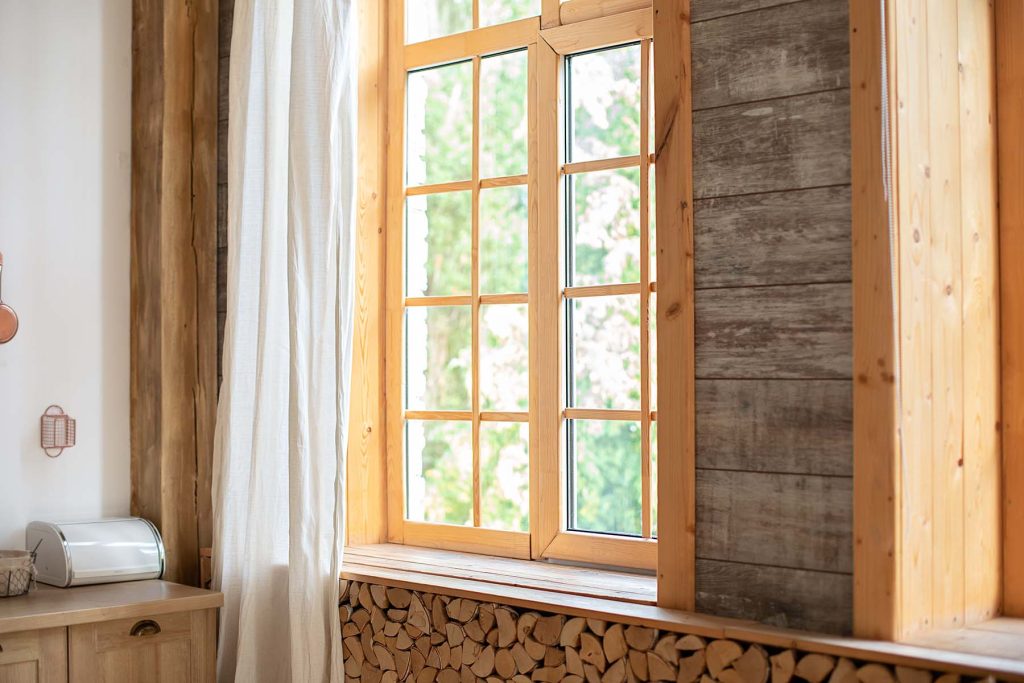
Replacement timber windows from BSF Windows
If your windows need replacing, we offer a bespoke range of timber windows crafted to order, accommodating non-standard openings, arched heads and swept frames that are common in period Surrey properties.
Styles available:
- Traditional box sash and spring balance sliding sash windows
- Flush casement, traditional casement
- Bay & bow windows
Timber species:
Here are the types of timber frame that we offer. We understand that it may not be initially clear which is best for you, so feel free to get in touch and we will aim to help.
- Accoya: Class 1 durability, virtually zero shrinkage or swelling
- European Oak: Premium hardwood with a distinctive grain
- Sapele: Strong weather resistance at an accessible price point
- European Redwood: Engineered laminated softwood, stable and cost-effective
Finishes, glazing and hardware:
- Any RAL colour, including period shades such as Cream, Chartwell Green and Anthracite Grey
- Translucent stains to show off natural wood grain, with dual-colour options inside and out
- High-efficiency Low-E argon-filled double glazing as standard; slimline or single glazing available for listed buildings
- Authentic ironmongery including monkey tail handles and peg stays, or contemporary finishes in satin, chrome or black
Every window leaves our factory with preservative, primer and two topcoats of microporous spray paint already applied, so they’re ready to perform from day one and will last for decades with very little care needed.
Who are BSF Windows?
We are a family-run window supply and installation company based in Horley, Surrey, with over 20 years of experience. From Guildford and Dorking to Crawley, Brighton, Epsom and Weybridge, we’ve built our reputation on quality craftsmanship, honest advice and personal service.
Our range covers timber, uPVC and aluminium windows, entrance doors, composite doors, bi-fold doors, French doors, conservatories, orangeries, roof lanterns and much more. Every project follows a clear process: a home visit and detailed quote, a second survey to confirm measurements, then manufacturing under strict quality control before installation. We also offer comprehensive warranties, and are always just a phone call away should you have any questions, or should any issues arise.
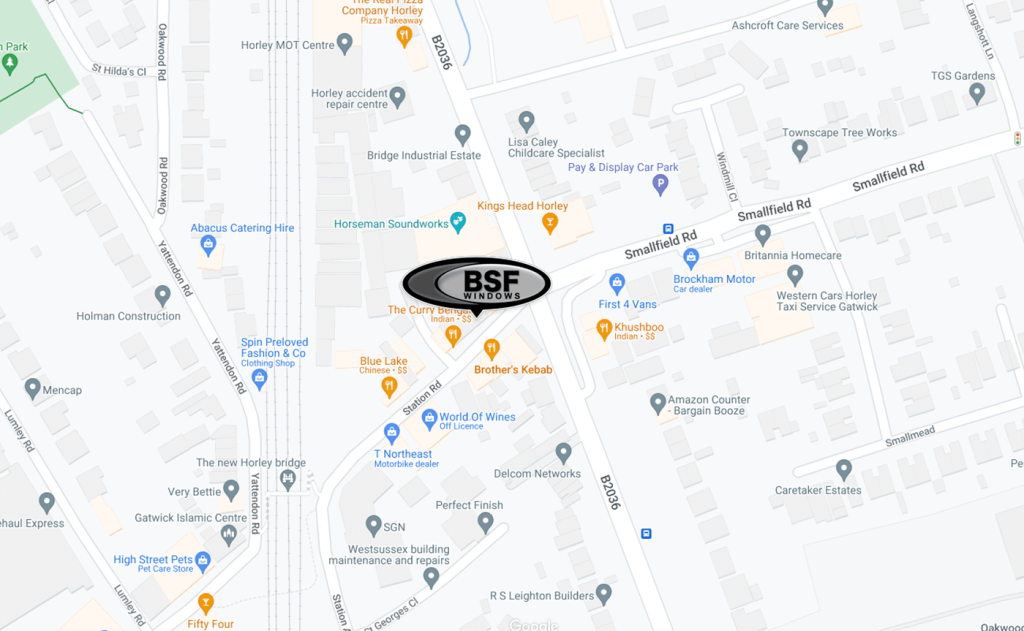
You’re always welcome to visit our showroom at 31-33 Station Road, Horley, Surrey, RH6 9HW to see our range in person.
Ready to talk timber windows? Call us on 01293 408 713, email bsfwindows@gmail.com or request a free quote online, we’d love to help you protect the character of your home.